Rury β-PPH
Specyfikacja produktu: DN15 (D20), DN20 (D25), DN25 (D32), DN32 (D40), DN40 (...

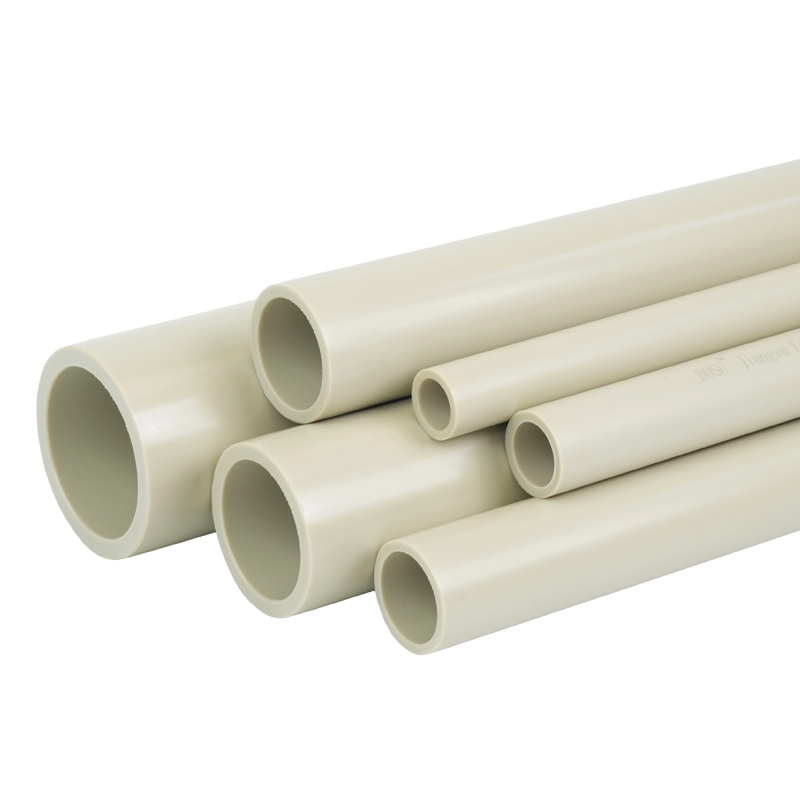
Specyfikacja produktu: DN15 (D20), DN20 (D25), DN25 (D32), DN32 (D40), DN40 (...
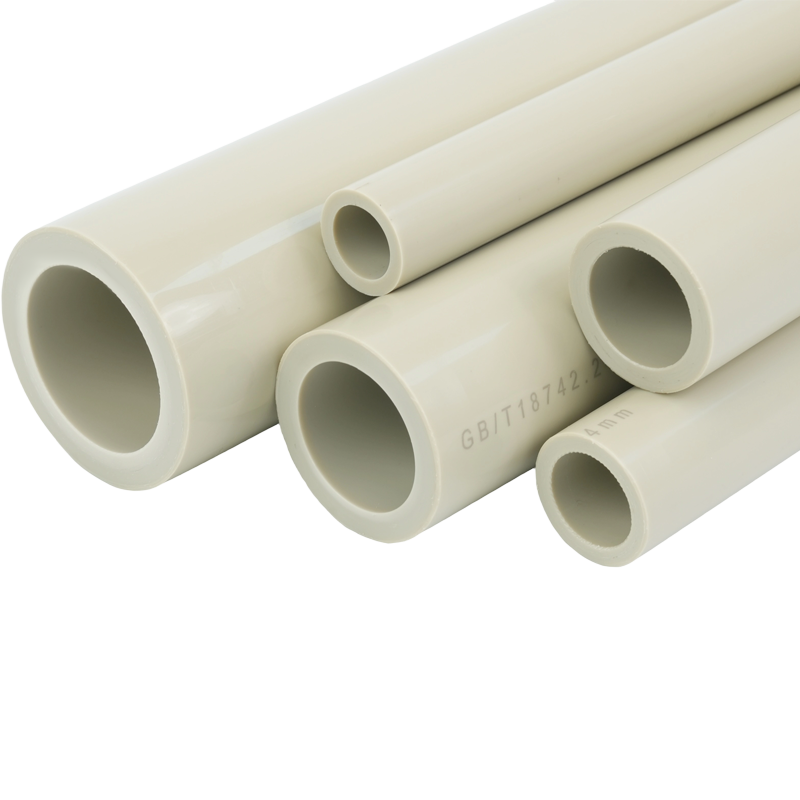
Specyfikacja produktu: DN15 (D20), DN20 (D25), DN25 (D32), DN32 (D40), DN40 (...
Ekipie zamykającej zakład chemiczny przed ponownym ponownym uruchomieniem pozostało jedno zadanie: wymienić nieszczelną uszczelkę na zaworze znajdującym się dwanaście metrów wewnątrz całkowicie zespawanej linii PPH. Przecięcie rury oznaczało nową szpulę, nową spoinę, oczekiwanie na ochłodzenie i drugą próbę ciśni...
Zobacz więcejKupujesz plastikowy zawór kulowy, pytając „czy je sprzedajesz?” w ten sposób projekty płacą podwójnie. O tym, czy plastikowy zawór kulowy będzie działał cicho przez pięć lat, czy też ulegnie awarii przez pierwszy rok, tak naprawdę decyduje materiał korpusu, elastomer uszczelki oraz sposób łączenia korpusu zaworu ...
Zobacz więcejDwóch monterów, jedna cewka po 2 sztuki z rury PVDF i skrzynka z adapterami kołnierzowymi DN 50. Wszystko dociera zgodnie z harmonogramem i nic nie pasuje: rura ma średnicę zewnętrzną 60,3 mm, a adapter jest obrobiony na średnicę zewnętrzną 50 mm. Żadna etykieta nie jest błędna. Części po prostu należą do dwóch r...
Zobacz więcej
Specyfikacja produktu: DN15 (D20), DN20 (D25), DN25 (D32), DN32 (D40), DN40 (...
Zobacz więcej
Specyfikacja produktu: DN15 (D20), DN20 (D25), DN25 (D32), DN32 (D40), DN40 (...
Zobacz więcej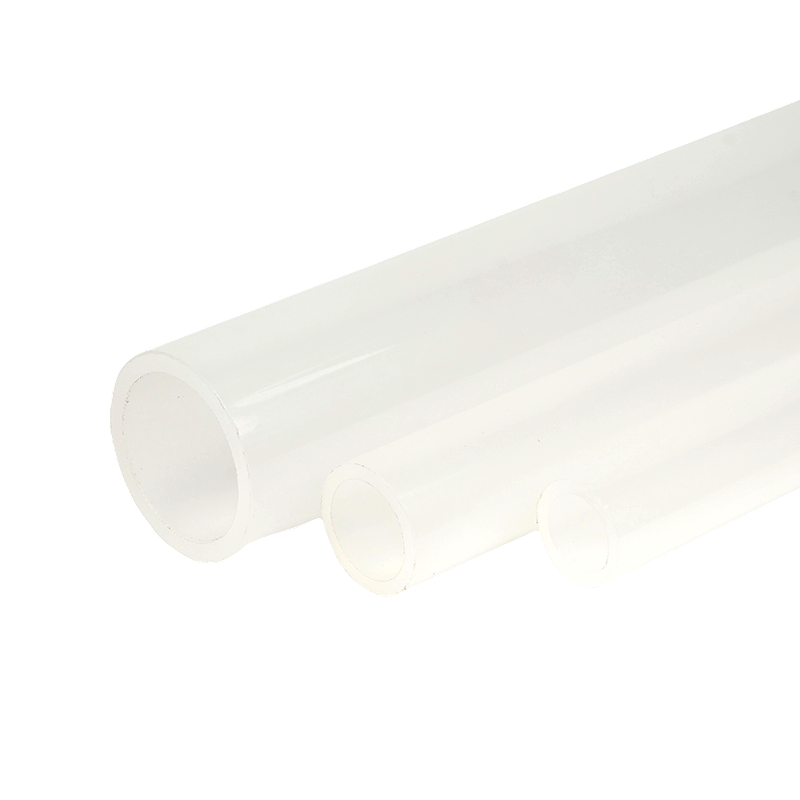
Specyfikacja produktu: DN65 (D75), DN80 (D90), DN100 (D110), DN100 (D125), DN...
Zobacz więcej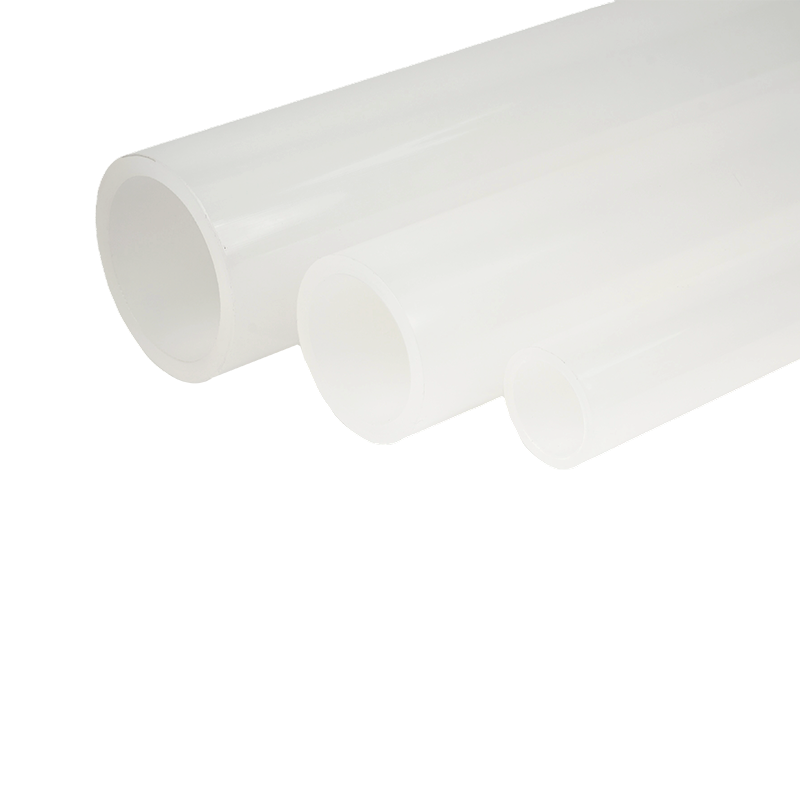
Specyfikacja produktu: DN15 (D20), DN20 (D25), DN25 (D32), DN32 (D40), DN40 (...
Zobacz więcej
Specyfikacja produktu: DN65 (D75), DN80 (D90), DN100 (D110), DN100 (D125), DN...
Zobacz więcej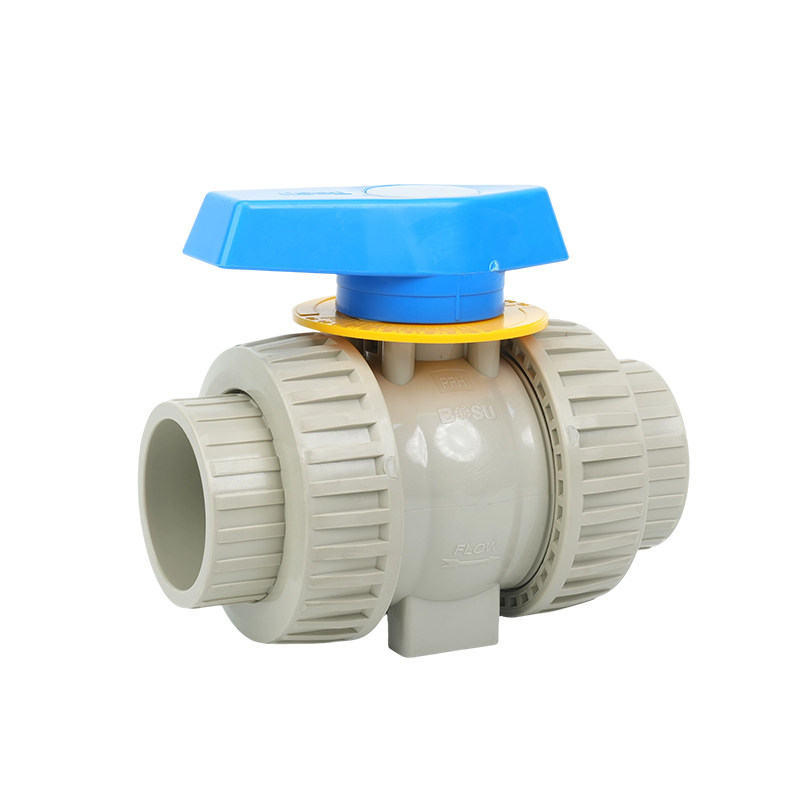
1. Cechy produktu: Funkcja spersonalizowanego wskazywania uchwytu, instalacja...
Zobacz więcejWhat are the main application scenarios for β-PPH Pipes?
1. Photovoltaic and Semiconductor Ultrapure Water Systems – Suitable for ultrapure water transportation in photovoltaic module cleaning and semiconductor production. It can operate long-term at resistivity above 18 MΩ·cm, preventing metal ion contamination.
2. Chemical and Acid/Alkali Media Transportation – Exhibits excellent corrosion resistance in the transportation of highly corrosive media such as steel pickling, waste acid recovery, concentrated sulfuric acid, and sodium hydroxide, significantly reducing the risk of pitting corrosion.
3. Pharmaceutical and Food Pure Water Piping – Meets food-grade and pharmaceutical-grade hygiene standards. The smooth pipe walls are easy to clean, ensuring the safety and purity of the transported liquids.
4. Environmental Protection and Wastewater Treatment – Used for pipelines transporting wastewater, waste acid, and ecological restoration projects, combining chemical stability with low energy consumption.
5. High-Temperature Hot Water and Geothermal Systems – Operates within a wide temperature range of -20℃ to +110℃, meeting the transportation needs of high-temperature fluids such as hot water and geothermal energy.
How are the recyclability and environmental performance of β-PPH Pipes?
1. Recyclable Material – β-PPH belongs to the polypropylene series. Its production process is energy-efficient, and after use, it can be reprocessed through conventional plastic recycling systems, meeting green building material requirements.
2. Low Emissions During Production and Use – Utilizing the β-modification process, the pipes have low maintenance costs throughout their service life, reducing repair and replacement frequency and thus lowering the overall carbon footprint.
3. Non-toxic and Odorless, Meets Food/Pharmaceutical Safety Standards – The material meets food-grade standards, contains no harmful additives, and does not release harmful substances during use, making it suitable for industries with extremely high hygiene requirements.
4. Advantages in Ecological Restoration – In groundwater and soil pollution remediation projects, β-PPH pipes, due to their chemical inertness and durability, can safely transport remediation media for extended periods, improving remediation efficiency and preventing secondary pollution.
Produkty
Informacje o firmie
Adres: Nr 55 Haichuan Road, strefa zaawansowanych technologii, miasto Dongtai, prowincja Jiangsu, Chiny
Telefon komórkowy: +86 137 7009 5258
Tel: +86-515-85479999
E-mail: [email protected]
Chcielibyśmy poznać Twoją opinię!
